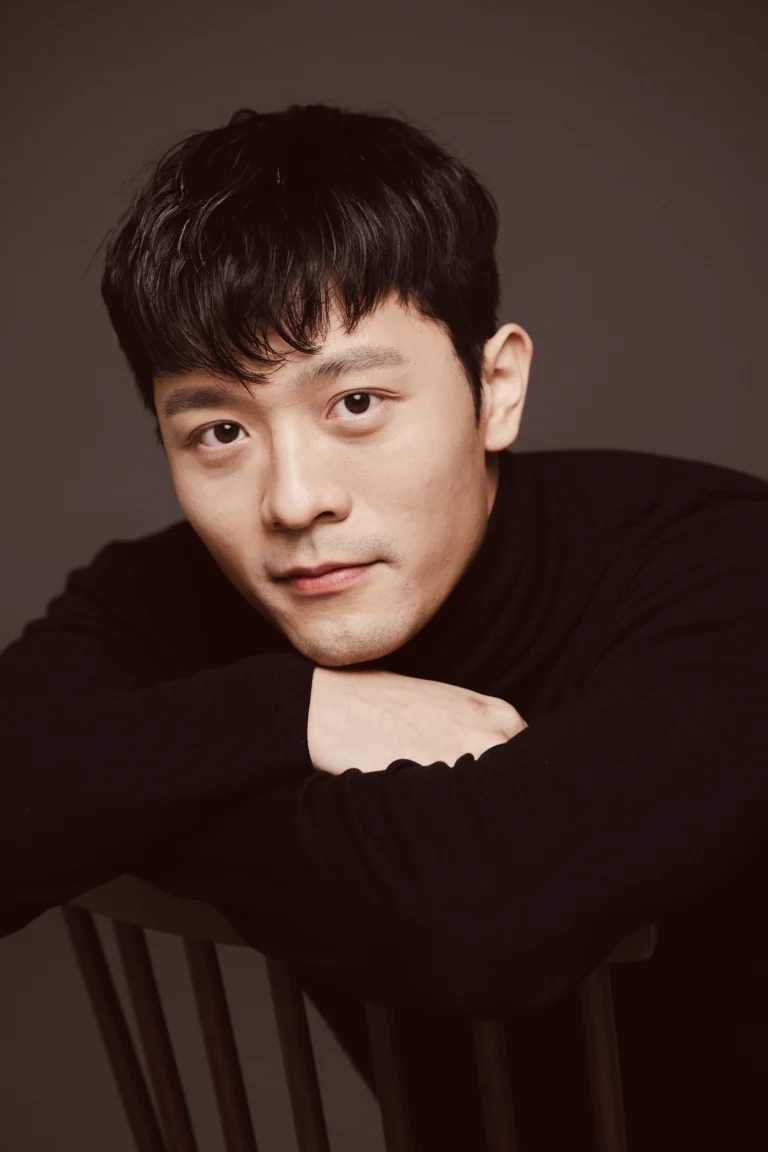
Ryan C. (violin Viola) Vertical Photo

Ryan C.

/

Teaches in English

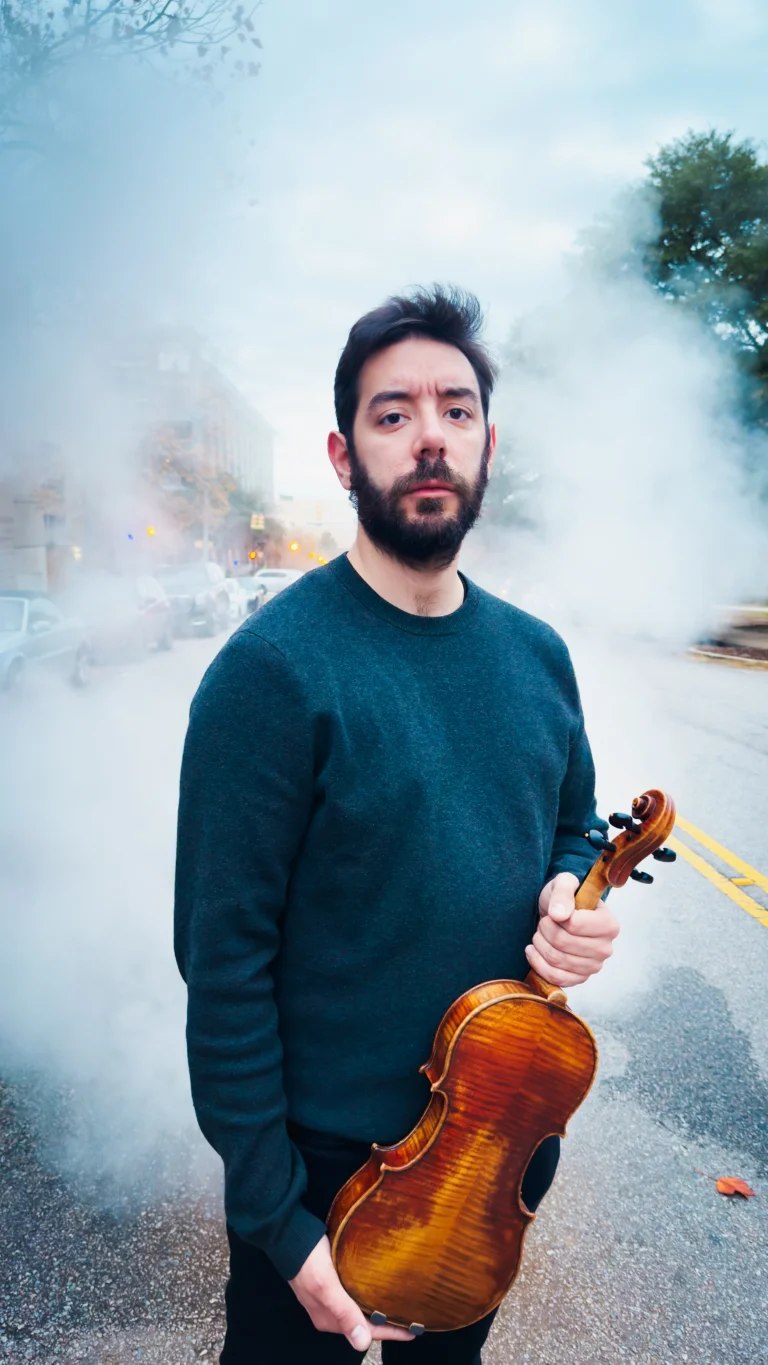
Ryan is a conductor, violinist, bass-baritone, and music educator based in New York. He currently serves as the assistant conductor for The Dessoff Choirs. His conducting experiences include semi-professional choir, community choir, children chorus, collegiate choir, and church choir. A passionate educator, Ryan has taught at Azusa Pacific University and various music institutions across Southern California.

Ryan earned his Master of Music in Choral Music from the University of Southern California, where he studied conducting under Dr. Tram Sparks, Dr. Cristian Grases, Grant Gershon, Dr. Troy Quinn, and Dr. Jacob Sustaita. He also holds an Artist Certificate and a Bachelor of Music in Violin Performance and Music Education from Azusa Pacific University, where he studied violin under Yuki Mori, Min Jung Park, and Dr. Alex Russell.

Ryan has been actively performing at prestigious venues, music festivals, choral competitions, musical conferences around the world. He has competed in Llangollen International Musical Eisteddfod, World Choir Games, 15th International Chamber Choir Competition Marktoberdorf, and Florilège Vocal de Tours. He has sung mass by invitation at Notre Dame Cathedral, Paris, and has performed in the United Kingdom, Germany, Ireland, France, Latvia, China, Hong Kong, and the United States. Ryan has been a featured performer at Xi’an International Choral Festival in China and both national and regional conferences of American Choral Directors Association. Cheung was a winner of Azusa Pacific University Concerto Competition in 2023.

Ryan has been part of recording projects such as award winning and Billboard #1 on Traditional Classical Album Echoes of Grace: Choral Music of Patti Drennan, the “The Immersive Choir” project with Jasper Randall, Richard Burchard: Into the light, and Compassion album of Sangeeta Kaur.

Ryan is a teacher who emphasizes fundamental techniques, sound, and posture. Fundamental techniques include things as simple as how to properly hold the bow and how to place the fingers on the fingerboard. Sound is significantly emphasized, because it is the same as flavors in food. Most people will not be able to understand how complex cooking can be but they usually can tell you what tastes better. Same as music, most listeners will not be able to understand how hard the techniques or the pieces are but they definitely can determine what sounds better than the other. Posture is crucial, because it is the what protects them from injury and naturally improves on sound.
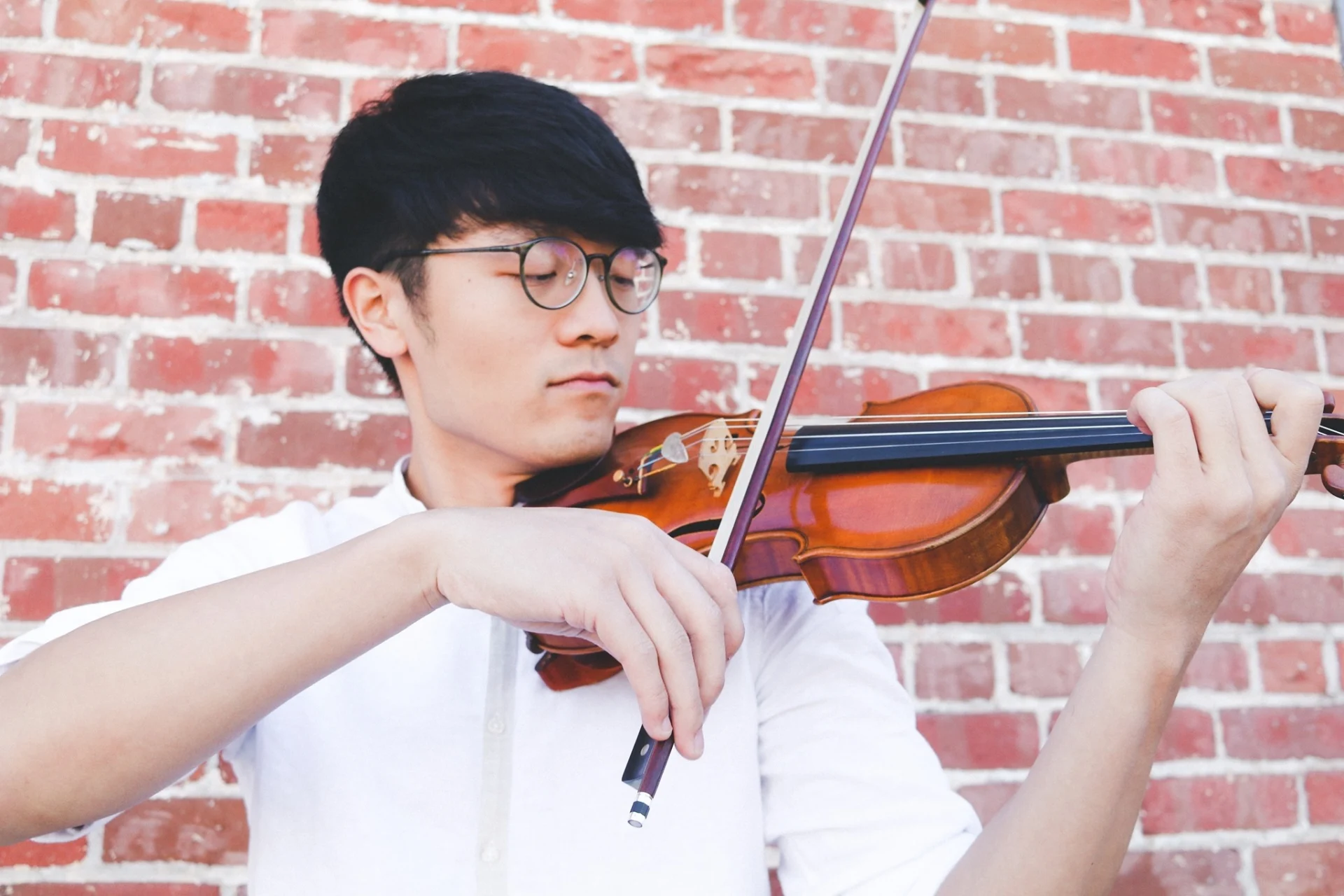
background-quotes
Great playing starts with strong fundamentals. Technique, sound and posture are the foundation of beautiful music.

Testimonies From The Soyulla Community

More Exceptional Soyulla Teachers

Music Lessons Built Around You

Soyulla delivers premium, in-home music lessons across New York City through a highly personalized, relationship-driven approach. Every student is meticulously matched with a world-class teaching artist aligned to their personality, learning style, and goals.

Soyulla Brass Woodwind

Clarinet Lessons

Brass/Woodwinds

Build tone, agility, and musical expression on clarinet.

Learn More
Soyulla Guitar

Classical Guitar Lessons

Guitar/Bass/Ukulele

Develop technique and artistry in the classical guitar tradition.

Learn More
Soyulla Brass Woodwind

Saxophone Lessons

Brass/Woodwinds

Develop tone, technique, and musicality on the saxophone.

Learn More
Soyulla Guitar

Guitar Lessons

Guitar/Bass/Ukulele

Build strong fundamentals and a deep love for guitar.

Learn More
Soyulla Drums

Drums Lessons

Drums/Percussion

Build rhythm, coordination, and musical confidence through dynamic drum instruction.

Learn More
Soyulla Piano

Piano Lessons

Piano/Keyboards

Build strong fundamentals, expression, and musical confidence on piano.

Learn More
Soyulla Singing

Voice Lessons

VOICE/VOCALS

Build confidence, technique, and vocal artistry through personalized instruction.

Learn More
Soyulla Singing

Broadway Voice Lessons

Voice/Vocals

Build stage-ready vocal technique for musical theatre performance.

Learn More
Soyulla Early Childhood

Mommy & Me Music Lessons

Early Childhood/Classroom

Build musical bonds through joyful parent-child music exploration.

Learn More
Soyulla Violin

Viola Lessons

Violin/Cello/Strings

Develop rich tone, technique, and artistry on the viola.

Learn More
Soyulla Brass Woodwind

Flute & Piccolo Lessons

Brass/Woodwinds

Build beautiful tone, breath control, and flute artistry.

Learn More
Soyulla Brass Woodwind

Trumpet Lessons

Brass/Woodwinds

Develop embouchure, range, and expressive musicianship on trumpet.

Learn More
Soyulla Violin

Violin Lessons

Violin/Cello/Strings

Build intonation, bow technique, and expressive violin musicianship.

Learn More
Soyulla Guitar

Electric Guitar Lessons

Guitar/Bass/Ukulele

Build tone, technique, and creative expression on electric guitar.

Learn More
Soyulla Violin

Cello Lessons

Violin/Cello/Strings

Develop rich tone, technique, and musicality on the cello.

Learn More

Get Expertly Matched Intentional Pairings, No Algorithms

Every student learns differently and teacher selection isn’t left to chance.

We meticulously assess your goals, learning style, and schedule when pairing you with a teacher who’s the right fit from day one—and with a 99% success rate, our matching process delivers.

Get Matched
1

You Share

Your goals, learning style, and schedule—through a thoughtful questionnaire.

2

We Match

Teachers hand-selected for your unique profile, every pairing intentional.

3

You Begin

Lessons with a mentor aligned with who you are, not just what you want to learn.

Stay Connected Music Insights

Receive thoughtful insights on music education, practice tips, and updates from Soyulla’s teaching artists-delivered occasionally and always with intention.

Frequently Asked Questions

Can my child learn fiddle, jazz violin, or pop strings instead of just classical?

Yes. While classical is a major violin tradition, our roster includes teachers who specialize in fiddle and folk, jazz violin, pop strings, soundtracks, and more. We match the kid to the music they actually love.

Do I need to buy a violin before starting lessons?

Most NYC families rent a violin for the first year or two, especially for young children who will outgrow several sizes as they grow. Trusted NYC violin shops offer well-set-up beginner rentals on a monthly basis, with options at every size from 1/16 through full-size. We’re happy to recommend reputable shops when your child begins. Students bring their own violin to every Soyulla lesson.

Do Soyulla violin teachers come to our home?

Yes. In-home violin lessons are widely available across NYC. Your matched teaching artist comes directly to your home each week on a consistent day and time. We work across Manhattan, Brooklyn, the Bronx, Queens, and parts of New Jersey.

Does Soyulla teach the Suzuki method for violin?

Yes. Many of our violin teaching artists are Suzuki-trained or Suzuki-informed, especially those who specialize in young beginners. Suzuki emphasizes learning by ear first, with a strong parent-teacher-student triangle. We also work with families who prefer a more flexible or hybrid approach. We match the method to the child.

How does Soyulla match families with violin teachers in NYC?

We start with a 20-minute conversation about your child’s age, temperament, learning style, and the music they’re drawn to. From there, we identify the violin teaching artist who genuinely fits and make the introduction. After 25 years, our 99% teacher-student fit rate is the result of how seriously we take this matching process.

How long until my child sounds like they’re really playing violin?

Violin doesn’t reward beginners with beauty right away. Most young students play recognizable simple tunes within 3 to 6 months of weekly lessons and 10 to 15 minutes of daily practice. Real tone and intonation typically settle in around 1 to 2 years. Adult beginners often build musical taste faster, which makes early progress feel bigger.

How much do violin lessons in NYC cost?

Violin lesson pricing varies based on the teacher, lesson length, and frequency. Rather than quote a number out of context, we’d rather have a quick conversation about your family and walk you through a clear, fixed price before anything begins. Most NYC violin students choose 30 or 45-minute weekly lessons, with 60-minute lessons becoming common as students grow.

How much should my child practice violin each week?

Young violin students typically practice 10 to 20 minutes a day, six days a week. For very young beginners, practice is often two short 5-minute sessions with a parent nearby. As students grow, practice grows with them. The teacher designs a practice plan that fits your child’s age and your family rhythm.

Is violin harder to learn than piano?

Violin is generally more physically demanding in the first year. Piano produces an in-tune note as soon as a child presses a key, while violin requires the student to shape every pitch with the fingers and bow. Both reward patience and good teaching. Neither is “harder” in the long run with the right teacher.

What age should a child start violin lessons?

Violin can begin as young as age 4 with a teacher trained in early-childhood violin pedagogy, often through the Suzuki method. Many children start between ages 5 and 7 when fine motor control is more developed. Older beginners and adults thrive too. Every age has an entry point, and we match teachers to whatever stage a student is starting from.

What NYC neighborhoods does Soyulla serve for violin lessons?

We provide in-home violin lessons across Manhattan, Brooklyn, the Bronx, Queens, and parts of New Jersey. Common neighborhoods include the Upper East Side, Upper West Side, Tribeca, West Village, Park Slope, Brooklyn Heights, DUMBO, Astoria, Riverdale, and many more. Studio violin lessons are also available at our Manhattan studio.

What size violin does my child need?

Violin sizes range from 1/16 (smallest, for children around age 4) up through full size (4/4, typically age 11 and older). The right size depends on your child’s arm length, not just their age. Your matched teacher will help you size correctly during the first lesson and recheck as your child grows. Most kids move up 1 to 2 sizes per year before reaching full size.