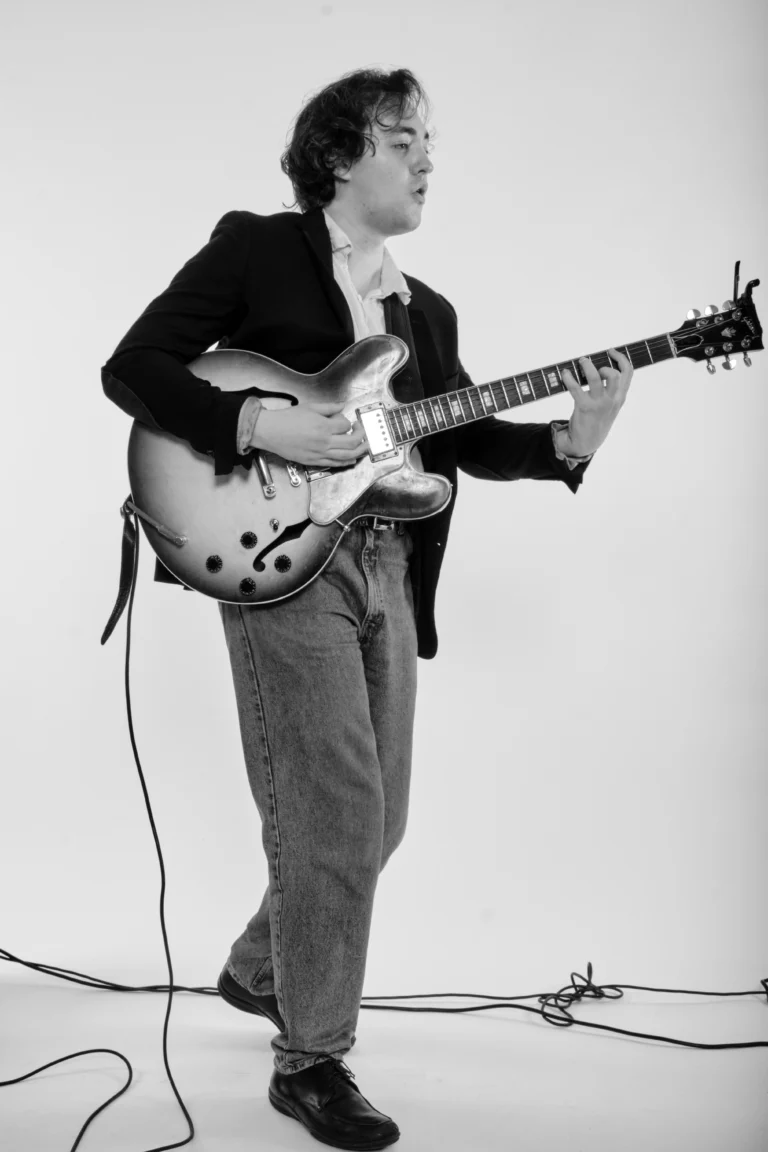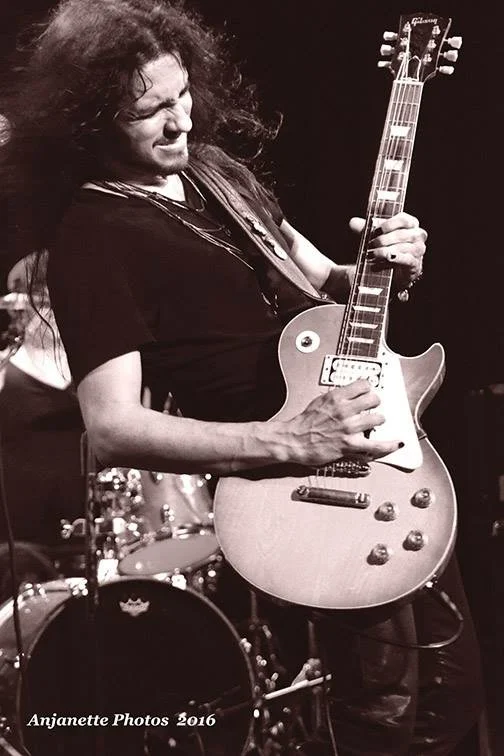

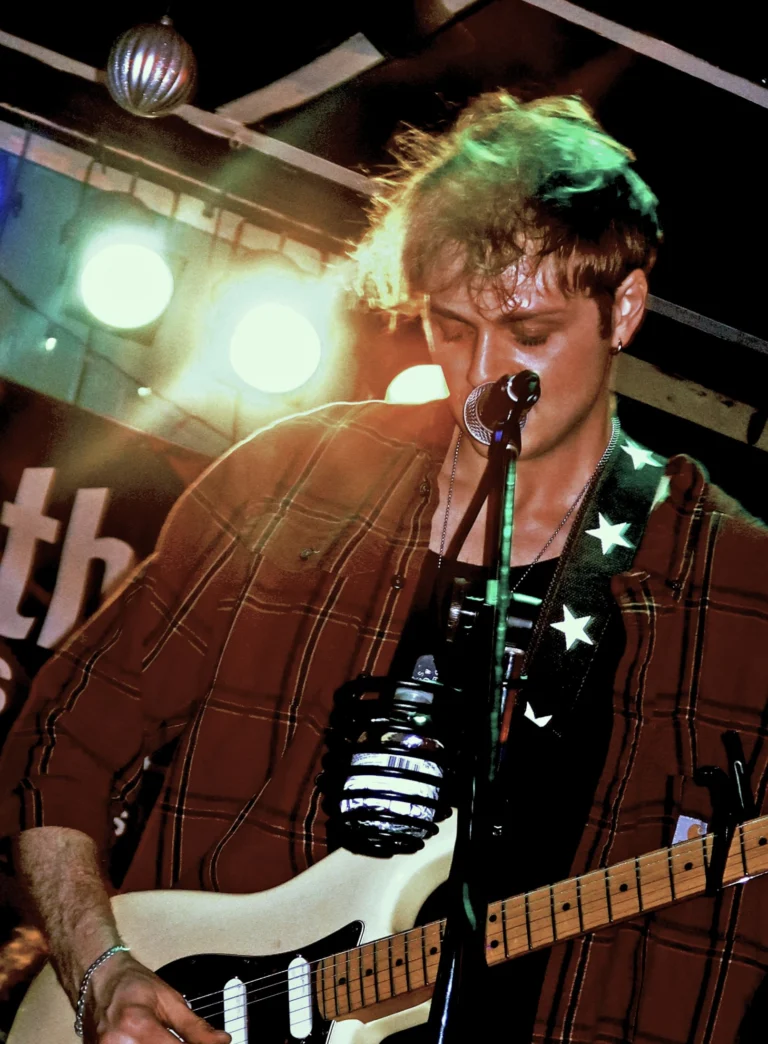
Drew S. (guitar Electric Bass) Profile Photo

Drew S.

/ / / / / / / / / / / / / / / /

, , , , , , , , , , , , , , , , ,

Teaches in English

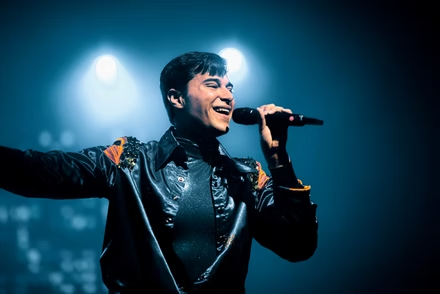
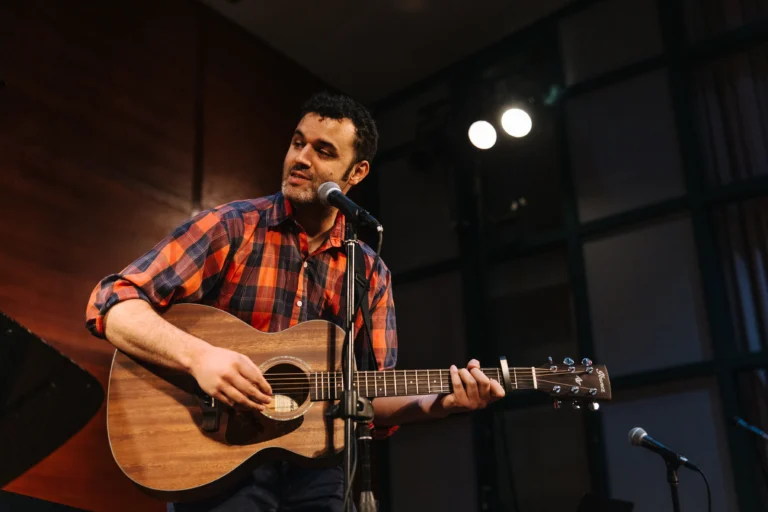
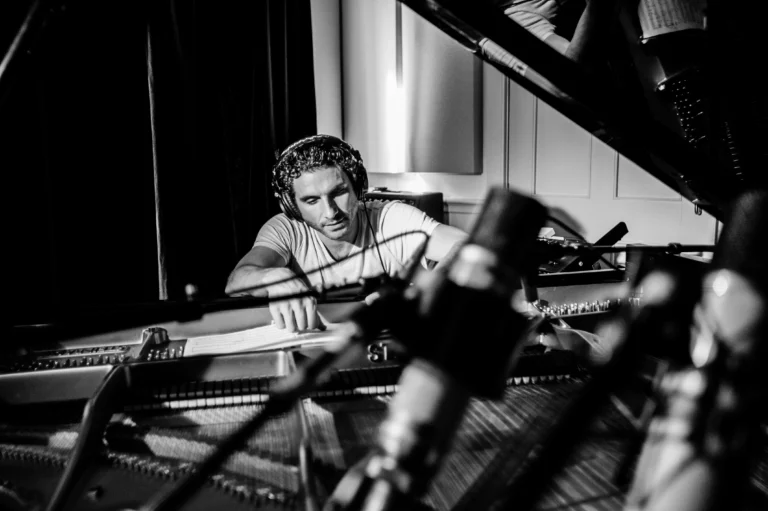
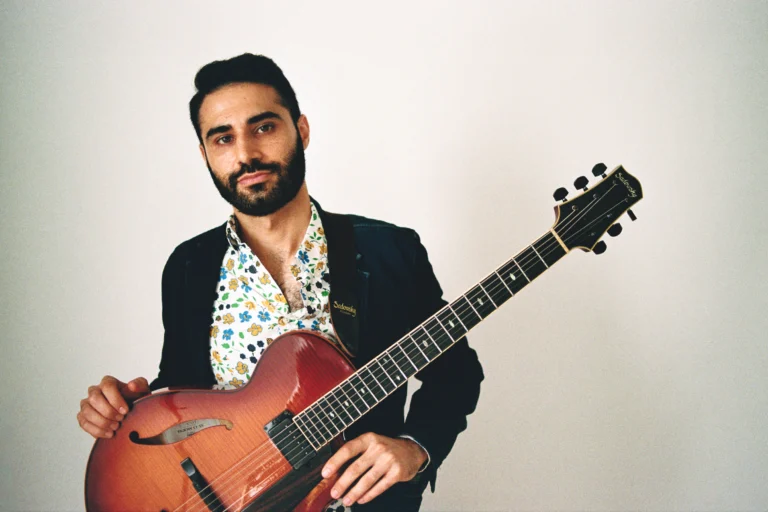
A native of Southern California, Drew S. is an guitarist, songwriter, producer, performing artist, and teacher based in Queens. He’s a veteran of New York’s competitive DIY/club scene and has released music and performed across the Northeast as Golder.

After attending Berklee’s Five Week Summer Program on a full ride scholarship for his songwriting, Drew studied music production and songwriting at the Clive Davis Institute of Recorded Music at NYU under teachers Bob Power, Nick Sansano, and Jeff Peretz. During this time he also began performing as a guitarist and artist around New York City, eventually rising to play such clubs as Baby’s All Right, Mercury Lounge, and the Broadway. He produced the alternative-folk album Treegiver by Marcyline and steadily wrote, recorded, and released a sizable catalog of indie-pop music.

Drew serves as a mentor in his local scene, helping other artists find their voice and navigate the complex world of independent music. He has taught artists how to utilize their instruments to best fit their creative visions and assisted in constructing imaginative live-setups to perform highly produced recorded music.

Drew is dedicated to helping students find their own unique voice on the guitar and through songwriting as well as nurturing the technical ability to allow students to express themselves at the highest degree.
background-quotes
I mentor artists in finding their unique voice, helping them develop the technical skills and creative vision to bring their music fully to life.
Testimonies From The Soyulla Community

More Exceptional Soyulla Teachers

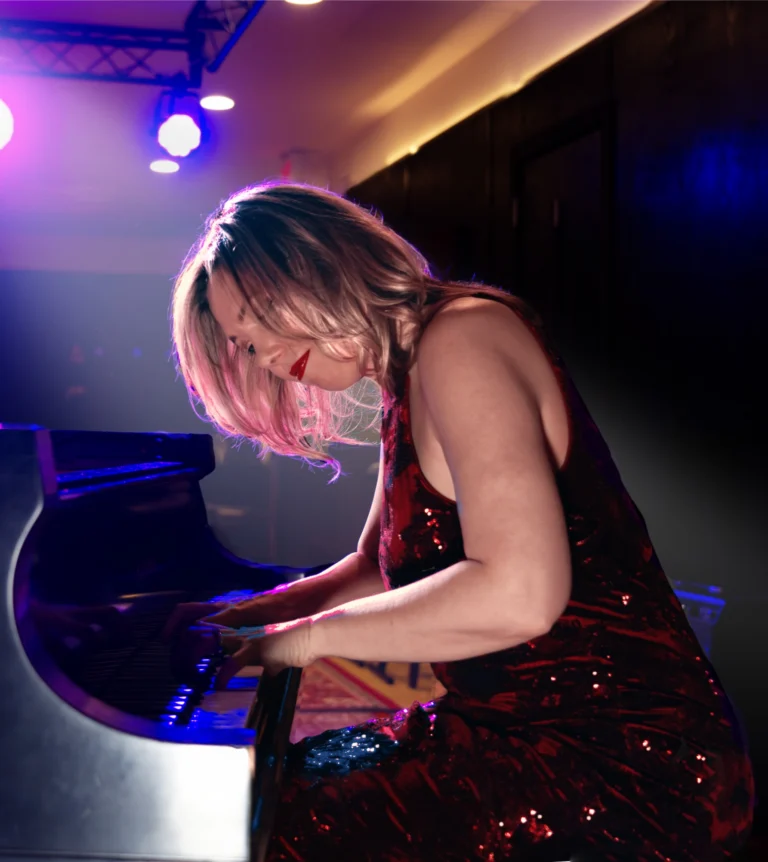
Anneliesa T. (piano) Vertical Photo
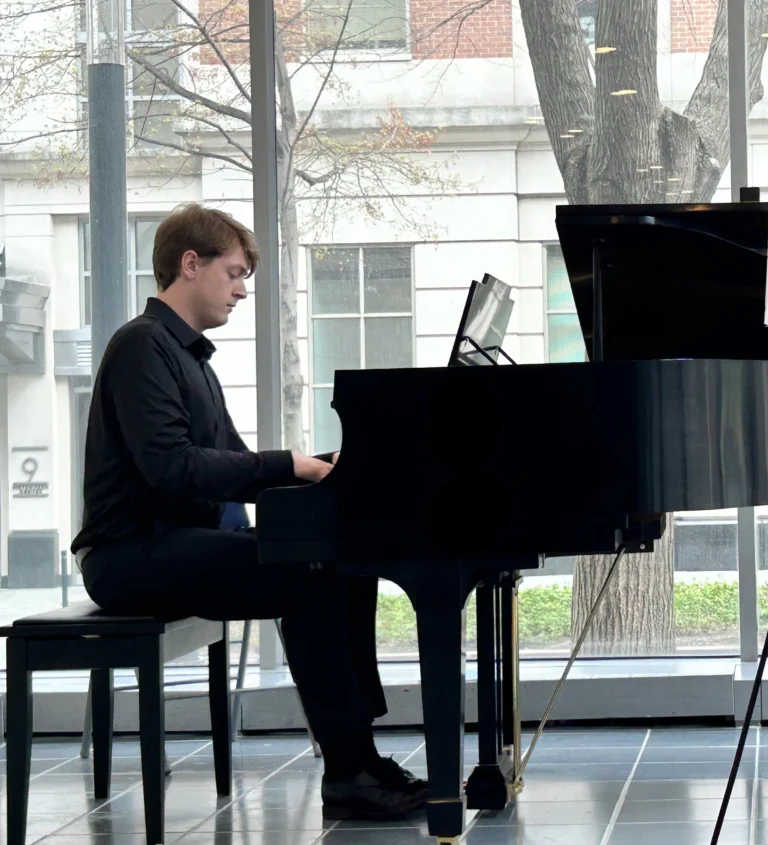
Anneliesa T.

/

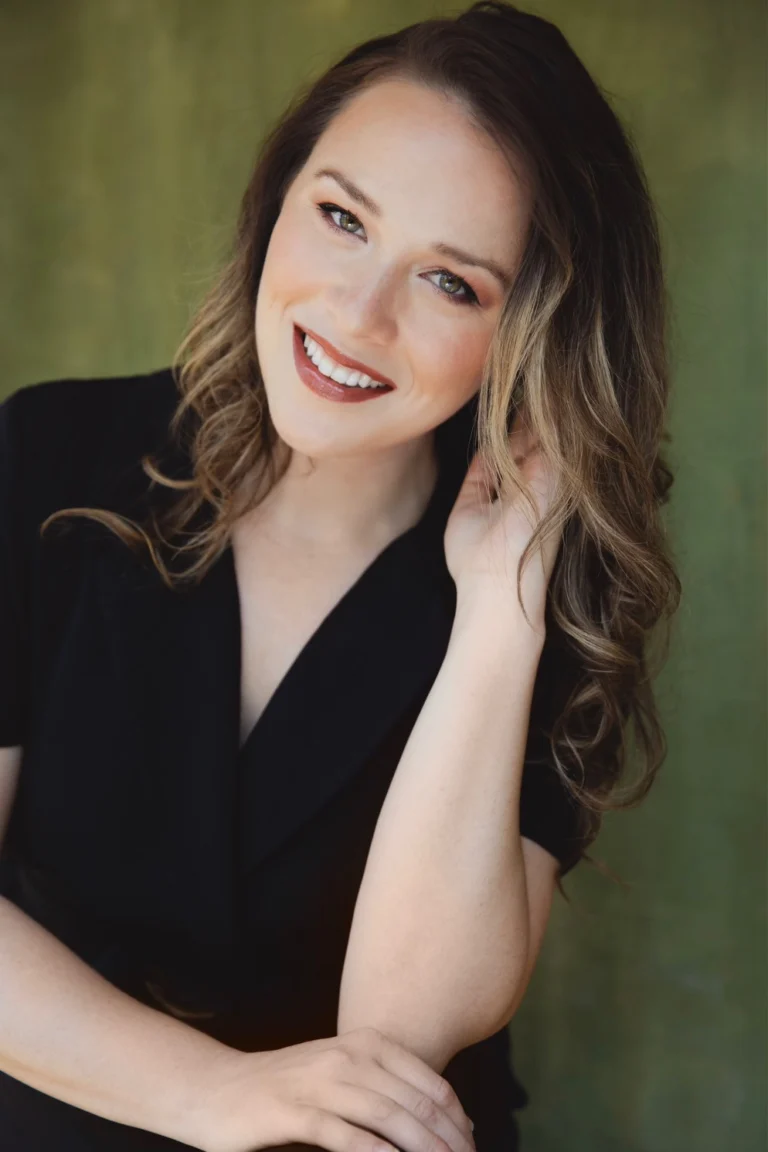
Ryan B. (piano) Vertical Photo

Ryan B.

/

Miranda A. (trumpet) Vertical Photo

Miranda A.

/

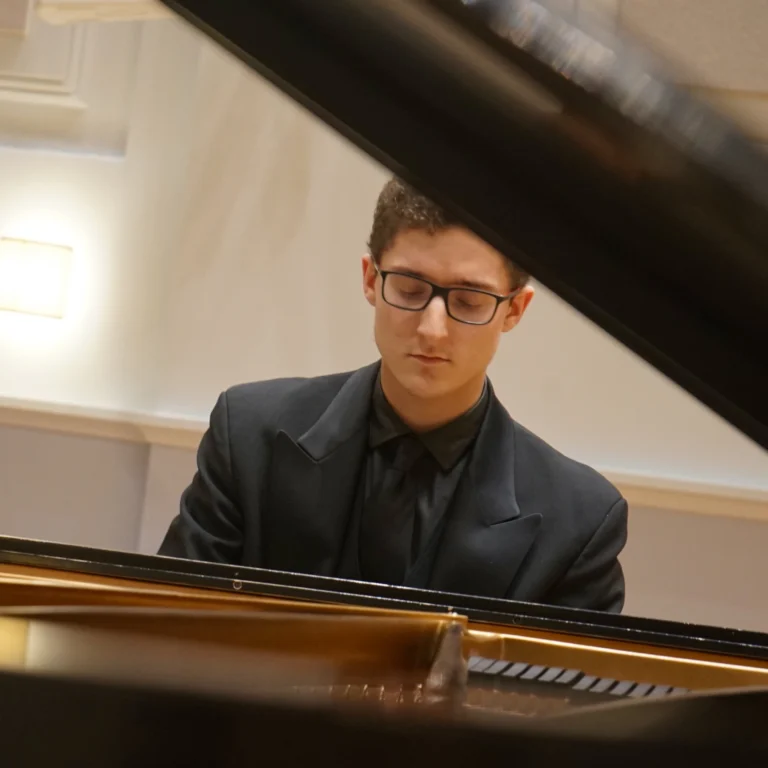
Maria L. (piano) Vertical Photo

Maria L.

Ryanne (voice) Vertical Photo

Ryanne S.

Shane S. (piano) Profile Photo

Shane S.

/

Travis L. (voice Guitar) Profile Photo

Travis L.

Hattie (violin) Vertical Photo

Hattie A.

/

Yurina S. (piano) Profile Photo

Yurina S.

/

Martina L. (guitar) Vertical Photo

Martina L.

/

Mira G. (piano) Vertical Photo

Mira G.

/

Jessica K. (voice) Profile Photo

Jessica K.

Lee M. (guitar Electric Bass Banjo Ukulele) Profile Photo

Grant R.

/

Devlin T. (guitar) Profile Photo

Devlin T.

/

Audra B. (voice) Profile Photo

Audra B.

/

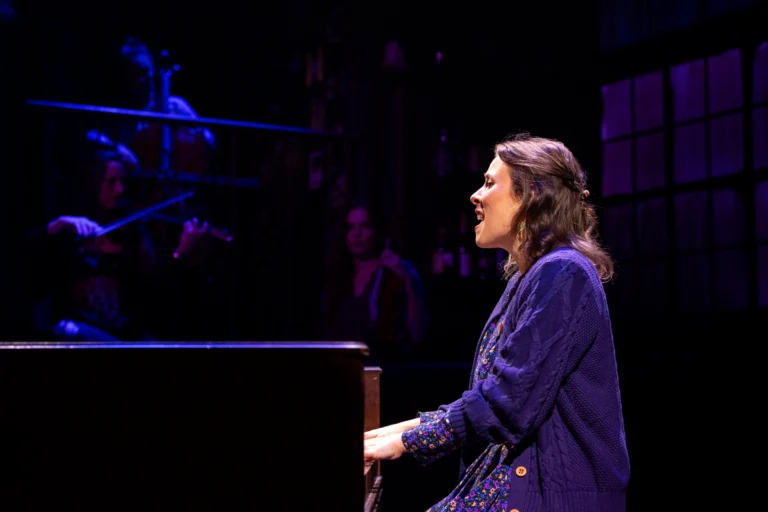
Christy C. (piano) Profile Photo

Christy C.

/

Music Lessons Built Around You

Soyulla delivers premium, in-home music lessons across New York City through a highly personalized, relationship-driven approach. Every student is meticulously matched with a world-class teaching artist aligned to their personality, learning style, and goals.

Soyulla Violin

Violin Lessons

Violin/Cello/Strings

Build intonation, bow technique, and expressive violin musicianship.

Learn More
Soyulla Brass Woodwind

Clarinet Lessons

Brass/Woodwinds

Build tone, agility, and musical expression on clarinet.

Learn More
Soyulla Brass Woodwind

Saxophone Lessons

Brass/Woodwinds

Develop tone, technique, and musicality on the saxophone.

Learn More
Soyulla Drums

Drums Lessons

Drums/Percussion

Build rhythm, coordination, and musical confidence through dynamic drum instruction.

Learn More
Soyulla Piano

Piano Lessons

Piano/Keyboards

Build strong fundamentals, expression, and musical confidence on piano.

Learn More
Soyulla Violin

Cello Lessons

Violin/Cello/Strings

Develop rich tone, technique, and musicality on the cello.

Learn More
Soyulla Brass Woodwind

Flute & Piccolo Lessons

Brass/Woodwinds

Build beautiful tone, breath control, and flute artistry.

Learn More
Soyulla Early Childhood

Mommy & Me Music Lessons

Early Childhood/Classroom

Build musical bonds through joyful parent-child music exploration.

Learn More
Soyulla Violin

Viola Lessons

Violin/Cello/Strings

Develop rich tone, technique, and artistry on the viola.

Learn More
Soyulla Singing

Broadway Voice Lessons

Voice/Vocals

Build stage-ready vocal technique for musical theatre performance.

Learn More
Soyulla Brass Woodwind

Trumpet Lessons

Brass/Woodwinds

Develop embouchure, range, and expressive musicianship on trumpet.

Learn More
Soyulla Guitar

Guitar Lessons

Guitar/Bass/Ukulele

Build strong fundamentals and a deep love for guitar.

Learn More
Soyulla Guitar

Classical Guitar Lessons

Guitar/Bass/Ukulele

Develop technique and artistry in the classical guitar tradition.

Learn More
Soyulla Guitar

Electric Guitar Lessons

Guitar/Bass/Ukulele

Build tone, technique, and creative expression on electric guitar.

Learn More
Soyulla Singing

Voice Lessons

VOICE/VOCALS

Build confidence, technique, and vocal artistry through personalized instruction.

Learn More

Get Expertly Matched Intentional Pairings, No Algorithms

Every student learns differently and teacher selection isn’t left to chance.

We meticulously assess your goals, learning style, and schedule when pairing you with a teacher who’s the right fit from day one—and with a 99% success rate, our matching process delivers.

Get Matched
1

You Share

Your goals, learning style, and schedule—through a thoughtful questionnaire.

2

We Match

Teachers hand-selected for your unique profile, every pairing intentional.

3

You Begin

Lessons with a mentor aligned with who you are, not just what you want to learn.

Stay Connected Music Insights

Receive thoughtful insights on music education, practice tips, and updates from Soyulla’s teaching artists-delivered occasionally and always with intention.

Frequently Asked Questions

Electric Guitar

Can my child learn rock, blues, indie, jazz, or metal on electric guitar?

Yes. Our roster includes electric guitar teachers across rock, blues, indie, pop, metal, jazz fusion, R&B, and country. We match your kid to a teacher who genuinely loves the music they want to play. Style match is one of the biggest predictors of whether a student stays with electric guitar long-term.

Do Soyulla electric guitar teachers come to our home?

Yes. In-home electric guitar lessons are widely available across NYC. Your matched teaching artist comes directly to your home each week. Studio electric guitar lessons are also available at our Manhattan studio.

How do I practice electric guitar in a NYC apartment without bothering neighbors?

Most NYC families use a small practice amp with a headphone jack. Headphones plug straight into the amp and your guitar sounds completely private. Some students use modeling amps that simulate stack-amp sounds at apartment volume. Your teacher will help you set up a quiet practice rig in your first lesson.

How does Soyulla match families with electric guitar teachers in NYC?

We start with a 20-minute conversation about your goals, the styles you love (rock, blues, indie, pop, metal, jazz fusion, etc.), and your schedule. From there, we identify the teaching artist who genuinely fits, often a working performer in the styles you want to play. Our 99% teacher-student fit rate comes from this care.

How long until I can play real songs on electric guitar?

Most beginners play recognizable simple riffs within 3 to 6 weeks of weekly lessons and 15 to 20 minutes of daily practice. Within 3 to 6 months, students typically know power chords, basic lead patterns, and several full songs. Progress depends far more on daily practice than natural talent.

How much do electric guitar lessons in NYC cost?

Electric guitar lesson pricing varies based on the teacher, lesson length, and frequency. Rather than quote a number out of context, we’d rather have a quick conversation about your goals and walk you through a clear, fixed price before anything begins. Most NYC electric guitar students choose 45 or 60-minute weekly lessons.

Should my child start on electric guitar or acoustic?

Either works. Most beginners start on acoustic to build finger strength, but plenty of kids who love rock, pop, blues, or indie start on electric and thrive. The right choice depends on the music your kid loves. Your matched teacher will make the call during the first lesson based on hand size, motivation, and goals.

What age can a kid start electric guitar lessons?

Electric guitar typically starts around age 7 or 8, when kids can comfortably hold a small electric and press strings cleanly. Some 6-year-olds do well with a smaller-scale electric guitar. Teens are an especially common starting age for electric guitar, often inspired by the music they’re already listening to.

What gear do I need to start electric guitar lessons?

You’ll need three things: an electric guitar, a small practice amp, and a guitar cable. Most NYC families pick up everything at one local guitar shop where staff can size the guitar and recommend an apartment-friendly amp. Headphone-compatible practice amps are especially popular for NYC apartment use, since they let you play silently to neighbors. Your matched teacher will recommend specific brands during the first lesson.

What if the first electric guitar teacher is not the right fit?

We adjust. The whole point of our matching process is to get the fit right, and if something isn’t clicking after 3 or 4 weeks, we re-match. With electric guitar, style chemistry matters a lot, and we take re-matching seriously when needed.

What NYC neighborhoods does Soyulla serve for electric guitar lessons?

We provide in-home electric guitar lessons across Manhattan, Brooklyn, the Bronx, Queens, and parts of New Jersey. Common neighborhoods include the Upper East Side, Upper West Side, Tribeca, West Village, Chelsea, SoHo, Park Slope, Brooklyn Heights, DUMBO, Astoria, Williamsburg, Bushwick, Long Island City, Riverdale, and many more.

Will electric guitar hurt my fingers when I’m starting?

Yes, the first 2 to 3 weeks of electric guitar are usually uncomfortable as fingertips build calluses. Electric strings tend to be lighter than acoustic strings, so the soreness is often milder. Most students stop noticing it within 3 to 4 weeks.

Guitar

Can adults learn guitar from scratch?

Yes. Adults are some of our most successful guitar students. Most adult beginners can strum through real songs within 6 to 8 weeks and play multiple full pieces by the 3-month mark. Adults bring focus and motivation that often accelerate progress beyond what younger beginners experience.

Can classical guitar skills transfer to pop or rock guitar later?

Absolutely. Classical training builds fingerstyle technique, ear, sight-reading, and tone control that make any other style easier to pick up. Many of our adult classical guitar students also play pop, jazz, and folk casually. The fingerstyle foundation is one of the strongest starting points in guitar.

Can my child learn pop, rock, indie, or country guitar, not just classical?

Yes. Most Soyulla guitar students aren’t classical. They want to play pop, rock, indie, country, blues, R&B, soundtracks, or singer-songwriter material. Our roster includes guitar teachers across every one of those styles, and we match your kid to a teacher who genuinely loves the music they’re drawn to.

Do I need a classical guitar before starting lessons?

Yes, students bring their own classical guitar to every lesson. We recommend a real classical guitar with nylon strings, not a steel-string acoustic, since the technique and finger placement are different. Visit a trusted NYC guitar shop where staff can size the guitar to your child’s body and recommend a serviced beginner model. Your matched teacher will confirm the choice during the first lesson.

Do I need to buy a guitar before starting lessons?

Yes, students bring their own guitar to every lesson. We recommend visiting a trusted NYC guitar shop where staff can size the guitar to your kid’s body and pick a serviced beginner model. Avoid the cheapest unbranded guitars from big online stores, since they often go out of tune within minutes and make practice frustrating. Your matched teacher will confirm the choice during the first lesson.

Do I need to read sheet music for classical guitar?

Yes, classical guitar is taught primarily from sheet music, not chord charts or tabs. Reading is part of what gives classical guitarists such strong musicianship. Beginners learn to read alongside playing, usually within 4 to 8 weeks of weekly lessons. We match students with teachers who teach reading patiently and well.

Do Soyulla classical guitar teachers come to our home?

Yes. In-home classical guitar lessons are widely available across NYC. Your matched teaching artist comes directly to your home each week. Studio classical guitar lessons are also available at our Manhattan studio.

Do Soyulla guitar teachers come to our home?

Yes. In-home guitar lessons are widely available across NYC. Your matched teaching artist comes directly to your home each week. We work across Manhattan, Brooklyn, the Bronx, Queens, and parts of New Jersey, and studio guitar lessons are also available at our Manhattan studio.

How does Soyulla match families with classical guitar teachers?

We start with a 20-minute conversation about your goals, your experience, and your favorite music in the classical guitar tradition. From there, we identify the teaching artist who genuinely fits, make the introduction, and watch the first lessons closely. Our 99% teacher-student fit rate is the result of this care.

How does Soyulla match families with guitar teachers in NYC?

We start with a 20-minute conversation about your child’s age, the styles they love, their goals, and your family schedule. From there, we identify the guitar teaching artist who genuinely fits and make the introduction. Our 99% teacher-student fit rate is the result of how seriously we take this matching process.

How long until I can play a real classical guitar piece?

Most beginners can play a simple classical piece all the way through within 8 to 12 weeks of weekly lessons and 15 to 20 minutes of daily practice. Within 6 to 12 months, students typically have a small repertoire of recognizable classical pieces. Progress depends on consistency more than natural talent.

How long until I can play a real song on guitar?

Most beginners play a recognizable simple song within 4 to 8 weeks of weekly lessons and 15 to 20 minutes of daily practice. Within 3 to 6 months, students typically know basic chords, can strum through several songs, and have a clear sense of their taste. Progress depends far more on consistency than on natural talent.

How much do classical guitar lessons in NYC cost?

Classical guitar lesson pricing varies based on the teacher, lesson length, and frequency. Rather than quote a number out of context, we’d rather have a quick conversation about your goals and walk you through a clear, fixed price before anything begins. Most NYC classical guitar students choose 45 or 60-minute weekly lessons.

How much do guitar lessons in NYC cost?

Guitar lesson pricing varies based on the teacher, lesson length, and frequency. Rather than quote a number out of context, we’d rather have a quick conversation about your goals and walk you through a clear, fixed price before anything begins. Most NYC guitar students choose 30, 45, or 60-minute weekly lessons.

Should my child start on acoustic or electric guitar?

Most beginners start on acoustic guitar because the strings build finger strength and the technique transfers cleanly to electric later. That said, plenty of kids who love rock or pop start on electric and thrive. The right choice depends on the music your kid loves. Your matched teacher will guide the decision during the first lesson.

What age can a child start classical guitar lessons?

Classical guitar typically begins around age 6 or 7 with a kid-sized nylon-string guitar. Some 5-year-olds do well with the right teacher and a small instrument. Teens and adults are some of our fastest-progressing classical guitar students because they bring patience and focus to fingerstyle technique.

What age can a child start guitar lessons?

Guitar lessons typically begin around age 6 or 7, when fingers are big enough to fret notes cleanly on a kid-sized guitar. Some 5-year-olds do well, especially those who start on ukulele first. Teens and adults are some of our fastest-progressing guitar students. Every age has an entry point.

What if the first classical guitar teacher is not the right fit?

We adjust. The whole point of our matching process is to get the fit right, and if something is not clicking after 3 or 4 weeks, we re-match without making it complicated. Our 99% fit rate is the result of taking re-matching seriously when needed.

What if the first guitar teacher is not the right fit?

We adjust. The whole point of how we work is to get the match right, and if something isn’t clicking after 3 or 4 weeks, we re-match without making it complicated. After 25 years, we know that even great teachers aren’t right for every student.

What is the difference between classical guitar and acoustic guitar?

Classical guitar uses nylon strings, has a wider neck, and is played with the fingers, not a pick. Acoustic guitar typically has steel strings and is played with a pick or fingers across pop, rock, country, and folk styles. Classical technique builds strong fingerpicking, sight-reading, and tone control, all of which transfer beautifully if a student later wants to play other styles.

What NYC neighborhoods does Soyulla serve for classical guitar lessons?

We provide in-home classical guitar lessons across Manhattan, Brooklyn, the Bronx, Queens, and parts of New Jersey. Common neighborhoods include the Upper East Side, Upper West Side, Tribeca, West Village, Park Slope, Brooklyn Heights, DUMBO, Astoria, and many more.

What NYC neighborhoods does Soyulla serve for guitar lessons?

We provide in-home guitar lessons across Manhattan, Brooklyn, the Bronx, Queens, and parts of New Jersey. Common neighborhoods include the Upper East Side, Upper West Side, Tribeca, West Village, Chelsea, SoHo, Park Slope, Brooklyn Heights, DUMBO, Astoria, Long Island City, Riverdale, and many more.

Will classical guitar hurt my fingers?

Classical guitar tends to be gentler on fingertips than steel-string acoustic because nylon strings are softer. Most beginners feel mild soreness for the first 1 to 2 weeks, then it settles. Adults sometimes notice nail-side discomfort as they build fingerpicking technique, which a teacher can correct quickly.

Will guitar hurt my fingers when I’m starting?

Yes, the first 2 to 3 weeks of guitar are usually uncomfortable. Fingertips need to build calluses, and fretting clean notes takes effort early on. Most students stop noticing the soreness within 3 to 4 weeks. A teacher can also adjust the way you press to reduce pain in the meantime.

Piano

Are piano lessons better in person or online?

For most students, in person is significantly better. A real teacher in the same room can make small posture and hand-position adjustments, hear tone and pedaling clearly, and read your child’s mood in real time. Soyulla focuses on in-person piano lessons, either in-home or at our Manhattan studio, because in-person delivers faster progress and a deeper student-teacher relationship.

Can my child take piano lessons in pop, Broadway, or jazz, not just classical?

Yes. The vast majority of Soyulla students aren’t classical kids. They want pop, Broadway, jazz, rock, R&B, soundtracks, and more. Our roster of 69+ teaching artists covers almost every style, and we match your child to a teacher who genuinely loves the music your kid is drawn to.

Do Soyulla piano teachers come to our home?

Yes. In-home piano lessons across NYC are our core offering. Your matched teaching artist comes directly to your home each week on a consistent day and time. We work across Manhattan, Brooklyn, the Bronx, Queens, and parts of New Jersey.

Do we need our own piano at home for in-home piano lessons?

For in-home lessons, yes. Your child or you will play on your own piano or keyboard. The instrument doesn’t need to be a Steinway. A well-tuned upright works beautifully. We’re happy to recommend trusted NYC piano shops for purchase or rental, and families without a piano at home can start with studio piano lessons at our Manhattan studio location, where we provide the pianos.

How does Soyulla match families with piano teachers in NYC?

We start with a 20-minute conversation about your child’s personality, learning style, musical taste, and your family’s schedule. From there, we identify the teaching artist on our roster who genuinely fits, make the introduction, and watch the first lessons closely. Our 99% teacher-student fit rate is the result of this care.

How long does it take to see progress on piano?

Most kids and adult beginners can play a real, recognizable piece within 8 to 12 weeks of weekly lessons and 10 to 20 minutes of daily practice. Within the first 3 to 6 months, students typically read simple sheet music, play multiple pieces hands together, and have a clear sense of their own taste. Progress depends on consistency, not natural talent.

How much do piano lessons in NYC cost?

Piano lesson pricing varies based on the teacher’s experience, the lesson length, and the frequency. Rather than quote a number out of context, we’d rather have a quick conversation about your family and walk you through a clear, fixed price before anything begins. Most NYC families choose 30, 45, or 60-minute weekly lessons, and we send the price in writing after the matching call.

How much should my child practice piano each week?

Most young piano students practice 10 to 20 minutes a day, six days a week. Adult students do well with 20 to 40 minutes a day. Short, daily practice beats a weekend marathon every time. Your matched teacher will design a practice plan that fits your kid’s age and your family’s actual rhythm.

Is piano hard to learn for adults?

Piano is one of the most forgiving instruments for adult beginners. The notes are already there, you just press them. Most adults can play simple, recognizable songs within 3 to 6 months of consistent weekly lessons. Adults often progress faster than younger beginners because they bring focus and real motivation.

What age should a child start piano lessons?

Piano lessons can start as young as age 4 with the right teacher and a play-based approach. Most NYC kids start between ages 4 and 7, but plenty begin later. Older beginners and adults absolutely thrive too. Every age has an entry point, and we match teachers to whatever stage your child or you are starting from.

What if the first piano teacher is not the right fit?

We adjust. The whole point of how we work is to get the match right, and if something isn’t clicking after 3 or 4 weeks, we re-match without making it a big deal. After 25 years, we know that even great teachers aren’t right for every student. Our job is to keep finding the fit until it’s right.

What NYC neighborhoods does Soyulla serve for piano lessons?

We provide in-home piano lessons across Manhattan, Brooklyn, the Bronx, Queens, and parts of New Jersey. Common neighborhoods include the Upper East Side, Upper West Side, Tribeca, West Village, Chelsea, SoHo, Park Slope, Brooklyn Heights, DUMBO, Astoria, Long Island City, Riverdale, and many more. If you’re wondering whether we cover your area, the answer is almost always yes.

Voice

Can a “bad singer” actually be taught to sing?

Yes. Voice is a trainable instrument, and what often feels like a lack of talent is usually a lack of technique, confidence, or the right teacher. With consistent weekly lessons and a teacher matched to your goals, nearly every adult and child makes steady, real progress. We’ve helped many students who said they couldn’t sing become confident performers.

Can I take voice lessons for pop, Broadway, jazz, or R&B, not just classical?

Yes. Most Soyulla voice students aren’t classical singers. They come to us for pop, musical theater, jazz, R&B, country, indie, soul, and contemporary styles. Our voice roster includes working performers across every one of those worlds, and we match you with a teacher who genuinely loves the music you want to sing.

Do Soyulla voice teachers come to our home?

Yes. In-home voice lessons are widely available across NYC. Your matched teaching artist comes directly to your home each week on a consistent day and time. Voice works well at home since you’re not carrying an instrument, and most NYC apartments handle weekly lessons without sound issues.

Do you offer voice lessons for musical theater auditions or college auditions?

Yes. Several teachers on our voice roster specialize in musical theater audition prep, including belt technique, character work, and audition cuts. We also work with high schoolers preparing college music auditions for BFA musical theater programs. Tell us your audition timeline during the matching call and we’ll match you with the right coach.

How does Soyulla match families with voice teachers in NYC?

We start with a 20-minute conversation about your goals, the styles you want to sing, your experience, and your schedule. From there, we identify the teaching artist who genuinely fits, make the introduction, and watch the first lessons closely. Our 99% teacher-student fit rate is the result of this care.

How long until I see real progress in voice lessons?

Most adult voice students notice meaningful changes in tone, breath support, and confidence within the first 4 to 6 weeks of weekly lessons. Range expansion and stronger style command typically build over 3 to 6 months. Long-term growth continues indefinitely, especially with consistent practice of 15 to 30 minutes most days.

How much do voice lessons in NYC cost?

Voice lesson pricing varies based on the teacher’s experience, lesson length, and frequency. Rather than quote a number out of context, we’d rather have a quick conversation about your goals and walk you through a clear, fixed price before anything begins. Most NYC voice students choose 45 or 60-minute weekly lessons.

Is 40 too old to start voice lessons?

No. Voice is one of the most welcoming instruments for adult beginners at any age. The vocal instrument continues developing throughout adulthood, and adults often progress faster than expected because they bring focus and motivation. Adults in their 30s, 40s, 50s, 60s, and beyond start voice lessons with us every week.

What about stage fright and performance anxiety?

Performance anxiety is one of the most common things adult voice students bring to us, and our teachers are trained to work with it directly. Many of our voice teaching artists are working performers who’ve handled their own stage fright and can guide you through gradual exposure, recording playback, and pre-performance routines. For students prepping for an audition or recital, your teacher will support you through the lead-up.

What age can my child start voice lessons?

Formal voice lessons typically begin around age 7 or 8, when the vocal mechanism is developed enough for real technique. Younger children can sing in a play-based way through early-childhood music classes or school choirs, but technique-focused voice training usually waits until second or third grade. Teens and adults can absolutely start at any age.

What if the first voice teacher is not the right fit?

We adjust. The whole point of our matching process is to get the fit right, and if something isn’t clicking after 3 or 4 weeks, we re-match without making it complicated. Voice is especially personal, so chemistry matters even more than usual. Our 99% fit rate is the result of taking re-matching seriously when it’s needed.

What NYC neighborhoods does Soyulla serve for voice lessons?

We provide in-home voice lessons across Manhattan, Brooklyn, the Bronx, Queens, and parts of New Jersey. Common neighborhoods include the Upper East Side, Upper West Side, Tribeca, West Village, Chelsea, SoHo, Park Slope, Brooklyn Heights, DUMBO, Astoria, Long Island City, Riverdale, and many more. Studio voice lessons are also available at our Manhattan studio.